Halal, Kosher and National Standards in the GCC
Halal opens the market and national certification makes the product legal. Neither substitutes for the other, and customs checks both.
The G-Mark Kuwait recognises is the regional one, issued under two GSO technical regulations: <strong>BD-142004-01</strong> on low-voltage electrical equipment and appliances and <strong>BD-131704-01</strong> on toys. The Public Authority for Industry (PAI) is the Kuwaiti standards and conformity body. It adopts the Gulf regulations by ministerial resolution and runs KUCAS, the national pre-shipment conformity scheme, on top of them. A regulated-list appliance or a toy needs a Gulf Type Examination certificate from a GSO-notified body and the Gulf Conformity Tracking Symbol before it ships, and the consignment can still go through KUCAS at the Kuwaiti end. The type examination belongs to the manufacturer. The national step belongs to the importer.
The same two groups as anywhere in the Gulf. Low-voltage electrical equipment rated 50 to 1,000 V AC or 75 to 1,500 V DC falls under BD-142004-01, in full force since 1 July 2016. Toys for children under 14 fall under BD-131704-01, in force since 1 January 2014.
Inside the low-voltage scope, GSO's List No. 2 (TC143307-01) names the equipment that must go through the conformity assessment procedure in Annex 4 of the regulation: the household appliances, air conditioners, refrigerators, washing machines, kettles, irons and fans, that a notified body examines first. Everything else in scope carries the mark on the manufacturer's own declaration, registered with GSO. On the Kuwaiti side, PAI publishes the ministerial resolutions (2-2015, 19-2015, 44-2015, 61-2017 and 67-2017) that adopt the Gulf technical regulations and GSO standards as Kuwaiti ones under the KWS GSO prefix. The 44-2015 list carries the GSO IEC 60335 and GSO IEC 60730 series, the appliance safety basis a notified body works from.
The mistake we see is a product read off List No. 2 by its everyday name instead of its GSO category. It ships on a self-declaration, and the first Kuwaiti inspector to open the file asks for a type examination certificate that does not exist. The notified body then starts from zero while the container waits.
The manufacturer, or its representative in the GCC, applies for the Gulf Type Examination and signs the Gulf Declaration of Conformity. The certificate covers a type and is not tied to any importer, so one document serves every distributor you appoint in Kuwait and in the other six GSO member states. The national step is the reverse: PAI's e-services carry the importer's data, and the KUCAS file is the importer's.
GSO's Gulf Conformity Mark page sets the terms. The mark is affixed by the manufacturer or its agent or legal representative in the GCC market, next to the notified body's identification number, at the end of the production control stage. The declaration is kept for at least ten years from the date of manufacture and shown to the market surveillance body of any member state on request. For G-Mark certification, Kuwait treats the manufacturer as the applicant and reads the declaration through PAI, whose Conformity Assessment Bodies Division keeps the register of conformity assessment bodies working in the country.
Keep the type examination in the manufacturer's name. When a Kuwaiti distributor applies for it, the distributor holds the one G-Mark certificate, Kuwait included, that every other Gulf market also needs, and changing distributor means a new type examination. Where you have no Gulf entity yet, we hold the Gulf declaration as your representative so the certificate stays with the product.
KUCAS is the Kuwait Conformity Assurance Scheme, the national pre-shipment conformity scheme run by the Public Authority for Industry for regulated products entering Kuwait. The G-Mark does not replace it. The G-Mark proves the type meets the Gulf regulation; KUCAS checks the consignment against the Kuwaiti standard list before it clears. Which products are on that list is confirmed with PAI per shipment; the list moves with each ministerial resolution.
PAI reports to the Minister of Commerce and Industry under Law No. 56 of 1996. Its Standards and Metrology Department is the approved reference for standardisation in Kuwait, its Specifications Section sets the standards for national and imported products, and its Quality Laboratories Department runs an electrical laboratory of its own. Annex 1 of Resolution 61-2017 is, in translation, the list of Gulf technical regulations to be adopted as Kuwaiti ones.
The national step is per consignment. Budget for it on every shipment, on top of the 4 to 10 weeks the G-Mark itself takes on the Gulf page. A type examination done once does not shorten the third consignment's KUCAS step; it only shortens the file, because the Gulf certificate, the declaration and the tracking symbol are already there.
Three things, in the order we meet them. A consignment arrives without the Gulf Conformity Tracking Symbol on the product, so the inspector cannot link the unit in front of him to the type examination certificate. A List No. 2 appliance ships on a self-declaration, which is the right route for the other low-voltage products and no route at all for the regulated ones. And the test report cites an IEC edition the notified body will not accept.
Under BD-142004-01 and a decision of the GSO Technical Council, presumption of conformity goes to the GSO standards and so to the latest publication of the IEC standard. A CB report to the previous edition of the relevant IEC 60335 part means a gap analysis and a partial retest before the notified body signs. The Technical Council also replaced Annex 1 of the regulation in October 2022 with TC-225310-01, a table of the voltage, frequency and plug and socket type used in each member state; the notified body reads the Kuwait row, and a sample with the wrong plug goes back before testing starts.
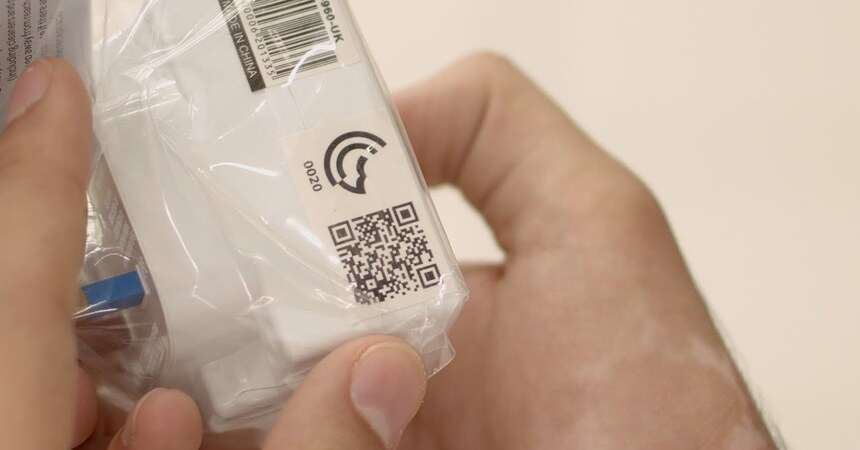
The tracking symbol failure costs most, because it cannot be fixed on the water. The symbol is a coded label that GSO's tracking system links to the certificate, applied with the mark at the end of production control. A container at sea cannot be relabelled, so the correction lands on the next shipment and the current one waits for a KUCAS decision. Print the symbols before the goods leave the factory.
| Step | Body | Tied to | When |
|---|---|---|---|
| Gulf Type Examination certificate | GSO-notified body | The type, in the manufacturer's name | Once, before the first shipment; reassessed on a change to the type |
| Gulf Declaration of Conformity and G-Mark | Manufacturer or its GCC representative, registered with GSO | The type | Kept ten years from manufacture |
| Gulf Conformity Tracking Symbol | GSO tracking system, through the notified body | Each unit, linked to the certificate | Applied at the end of production control |
| Kuwaiti adoption of the Gulf regulation | Ministerial resolution published by PAI | The standard list (KWS GSO) | Per resolution; list confirmed per shipment |
| KUCAS | Public Authority for Industry | The consignment and the Kuwaiti importer | Per consignment |
Everything on the left is something to find before the project starts. Everything on the right is ours. Send what you have and we will tell you what is missing.
You provide
We provide
No. The G-Mark proves the type meets GSO BD-142004-01 and is valid across the GCC. Kuwait then runs its own national step through the Public Authority for Industry: KUCAS, the pre-shipment conformity scheme, per consignment. The Gulf certificate, the declaration and the tracking symbol go into that file; without them the consignment waits.
Yes. A Gulf Type Examination certificate from a GSO-notified body is regional and covers the type in all seven GSO member states, Kuwait included. What does not transfer is the national layer: the UAE has ECAS, Kuwait has KUCAS, and each is tied to a local importer. The test reports serve both files.
The manufacturer, or a representative it controls in the GCC. The type examination is not tied to an importer, so a certificate in the manufacturer's name serves every distributor in Kuwait and the rest of the Gulf. A certificate applied for by one Kuwaiti distributor stays with that distributor, and a change of partner means a new type examination.
Four to ten weeks for the G-Mark where test reports to the GSO or current IEC standards already exist, the same range as on our Gulf page. Add the notified body's type examination and the tracking symbol for List No. 2 appliances and for toys. The KUCAS step then repeats per consignment and is planned with the importer, not with the notified body.
Halal opens the market and national certification makes the product legal. Neither substitutes for the other, and customs checks both.
GCC Technical Regulation BD-131704-01 covers toys for under-14s. The hazard analysis required before market entry, Arabic warnings, and the three-step route.
Three schemes covering the EU, the GCC and the UAE, with the product categories each captures, and when a high-risk product moves up to EQM.
One specialist owns your file from the first email to the registered certificate. Every one of them has recorded a briefing on their field.
Send the product name, HS code and technical data. You get back the applicable route, the document list and a timeline, before any commitment. The first reply says whether your product sits on List No. 2 or self-declares, which IEC edition the notified body will take, and what the Kuwaiti importer has to open on its side.
Scoping is freeReply within one working day