Certification or Declaration Under TR CU 018
Three conformity assessment forms, two of which apply to parts. Where responsibility sits in each, and what decides which one your product takes.
The products no specialised scheme obviously claims, and how to establish which regulation actually catches yours.
Reviewed
What links the articles in this section is that the governing regulation is not legible from the product itself. A stand for a television or a smartphone is furniture under TR CU 025, while medical, transport, antique, used and exhibition furniture sits outside that regulation entirely. An immobilizer is not treated as ordinary vehicle electronics either; it sits in Group 50 of the TR CU 018 product list, and three HS codes decide whether it is in scope at all. Classification is the first piece of work on any of these, and it is real work.
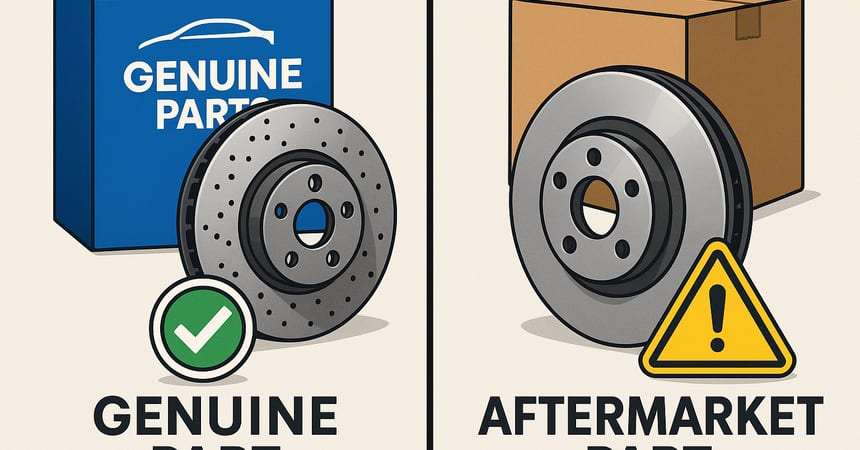
Once the regulation is settled the assessment form is settled with it, and neither one is a preference. Under TR CU 025 furniture for children and for educational institutions takes a certificate of conformity, while everything else takes a declaration. TR CU 018 provides three forms, type approval for whole vehicles and certification or declaration for components, decided by the part’s effect on vehicle safety. In the Saudi SABER system the same brake disc is a declaration as a genuine part and full accredited testing per product code as an aftermarket one.
Nothing in this category limits a product to a single approval. A connected door lock sold in Canada is an electrical product under CSA rules, a radio device under ISED, a fire-relevant assembly and a personal-data device, before bilingual labelling and provincial building codes are added to it. A vending machine in South Africa needs ICASA for its wireless payment link and NRCS for safety and hygiene, with SABS voluntary on top. Goods for children under three in the EAEU need the state registration certificate and the declaration together, cumulatively, never as alternatives.
Timelines follow the classification rather than the paperwork. A state registration certificate usually runs four to six weeks, but disinfectants take six to eight months and nutrient additives five to six, so a project scoped on the typical figure can be wrong by half a year. Guidance on the UAE adds its own trap by naming ESMA as the authority, when the schemes moved to MOIAT in 2020. Send us the product description, its intended end use, the destination market and any accredited test reports you already hold, and we will name the applicable scheme.
No articles match that.
Three conformity assessment forms, two of which apply to parts. Where responsibility sits in each, and what decides which one your product takes.
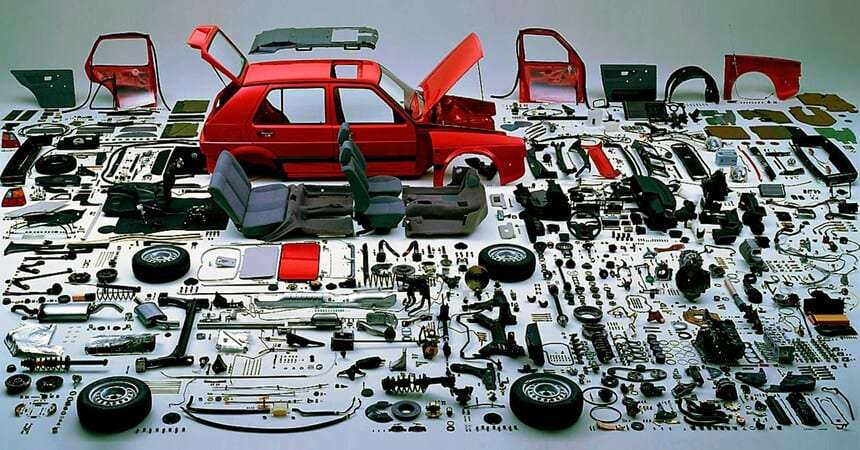
Scope across categories M, N and O, chassis and safety components; the requirements it sets; and who in the supply chain it binds.
Categories M, N and O, chassis, and safety-related components. Plus what modification triggers, and the three vehicle types excluded outright.
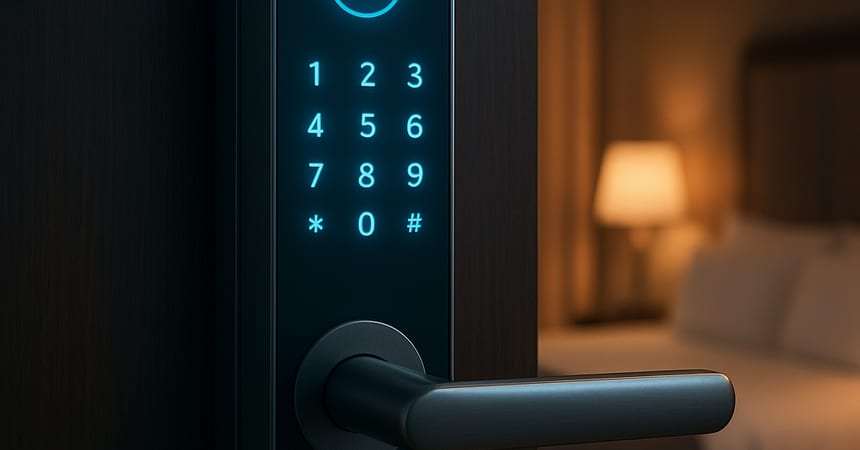
Electrical safety, EMC, fire, cybersecurity and bilingual labelling all apply to a connected lock. The six-step route, and the provincial traps.
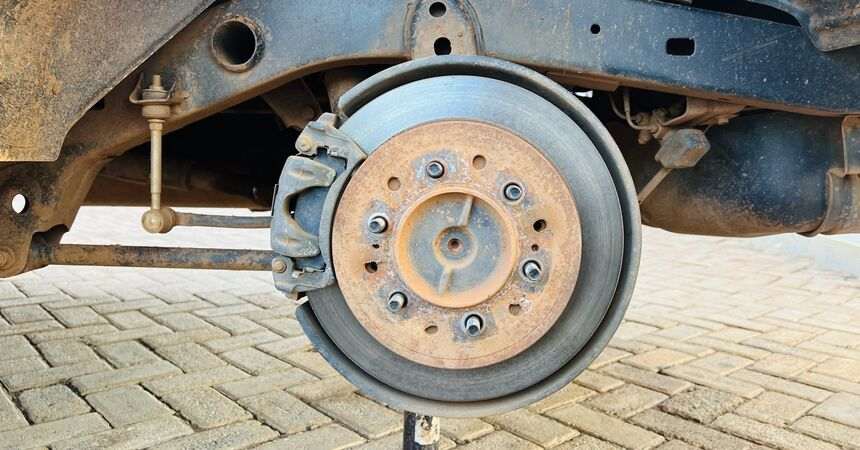
Genuine parts usually take a declaration; aftermarket parts take full testing per product code. Getting the classification wrong costs months, not days.
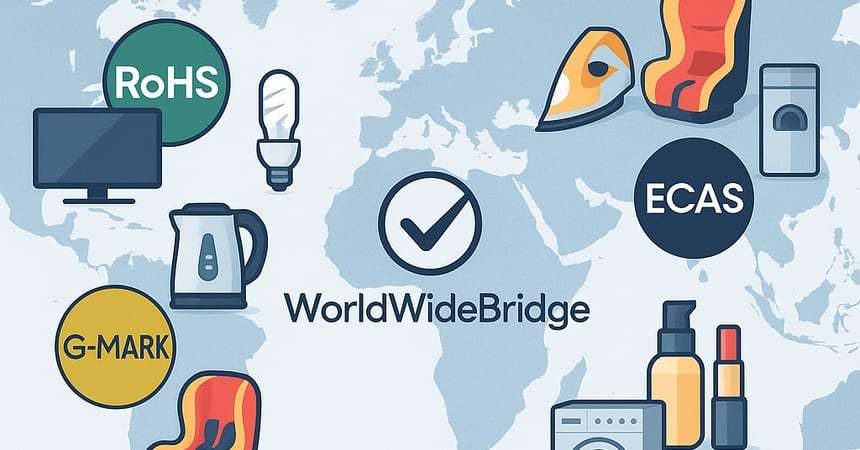
Which chemical products need approval, the four factors that decide the route, and the scheme names by market: REACH, K-REACH, ECAS, SFDA and TR CU.
Three schemes covering the EU, the GCC and the UAE, with the product categories each captures, and when a high-risk product moves up to EQM.
Opening a store is easy; UAE product compliance law still applies. Which categories need certification, what happens without it, and the limited exceptions.
Six categories, from food and cosmetics to vehicles, baby products and medical devices, with the authority and the specific requirements for each.
ESMA, SASO IECEE, SABER, halal and G-Mark, which applies, the seven-step process, and the Arabic labelling marketplaces check before listing.
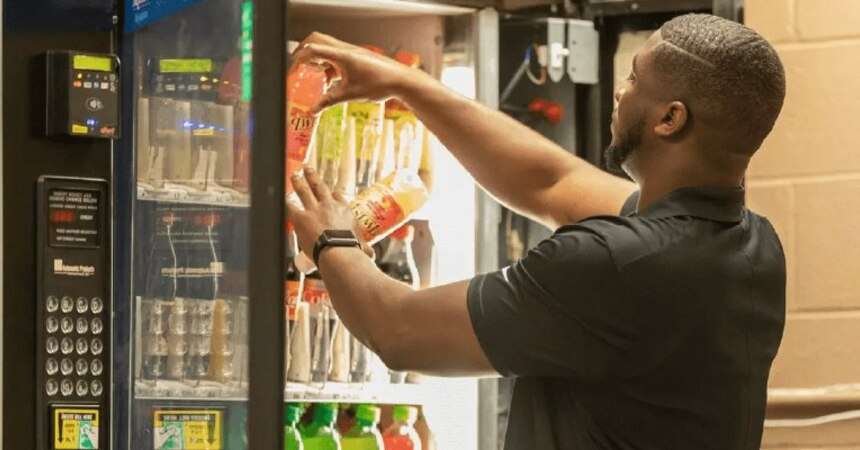
ICASA, NRCS and SABS explained, which two are mandatory for a connected vending machine, which is voluntary, and what it is nevertheless worth.
Which products need an SRC under three technical regulations plus the extra national list, who can apply, and why some categories take months rather than weeks.
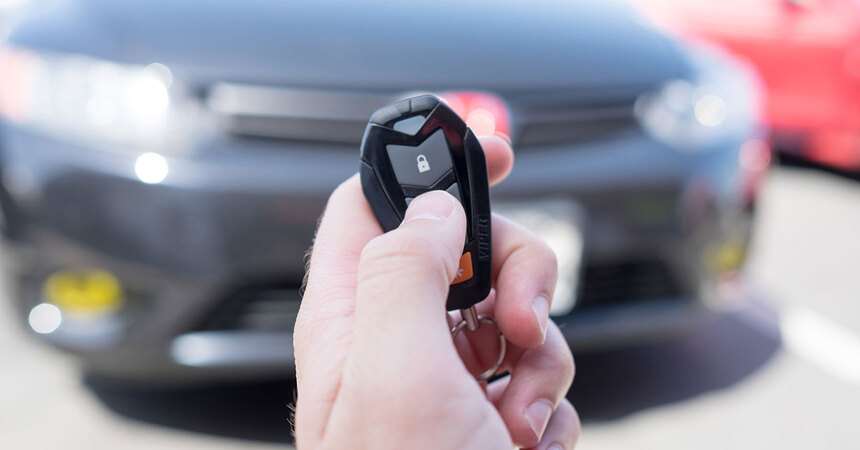
Group 50 under TR CU 018, three HS codes to check first, and the radio-frequency and encryption approvals that attach at 119 to 135 kHz.
A four-year certificate, mandatory local testing, part numbers written in full in the annex, and an annual inspection that re-tests the product.
Children's and educational furniture certifies; everything else declares. The two procedures, their lead times, and the furniture types outside the regulation.
Yes, and in this category that is the normal case rather than the exception. A vending machine in South Africa cannot be sold without both ICASA and NRCS approval. Goods for children under three in the EAEU need a state registration certificate and a declaration of conformity together. Budget for the whole set at the start, because approvals that run in parallel still each need their own evidence base.
No. A marketplace listing sits under the same UAE product compliance law as a shop, and enforcement arrives twice over. The platform blocks the listing where the category needs ECAS, halal or GMP documents, and that check runs independently of the regulator, while customs holds the goods on its own account. Clothing, stationery and accessories are genuinely unregulated; drop-shipping around the platform check breaks DED rules.
Send the product name, HS code and technical data. You get back the applicable route, the document list and a timeline, before any commitment.
Scoping is freeReply within one working day