On-Site Factory Audit in Turkey for TR CU 017
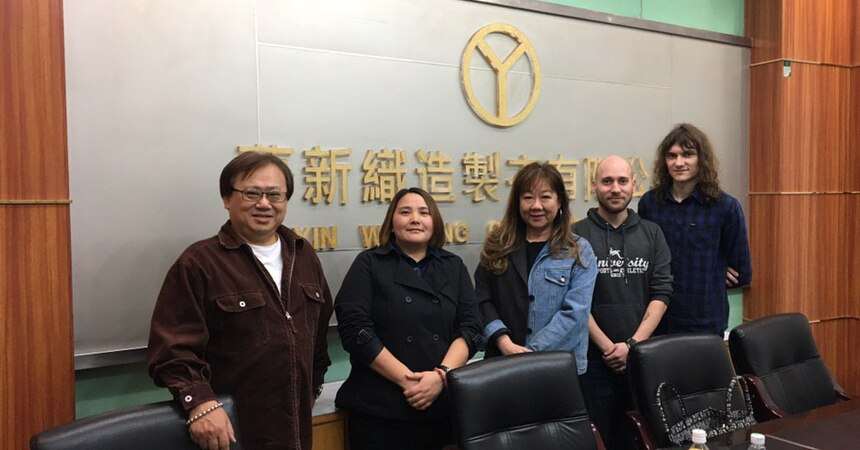
An EAC certificate for adult t-shirts under TR CU 017 needs a factory audit and sampling, which can be done on site or by video. This Istanbul visit ran from 10 a.m. to 7 p.m. in a single day, with the absence of ISO 9001 at the factory as the main friction.
The project
The client wanted EAC certification for adult t-shirts, products under TR CU 017/2011, On the safety of light industry products.
What are the five steps?
- Official filing of the application for certification.
- Quality management system audit of the factory, by video conference, or on site with an audit expert in the country of manufacture.
- Sampling, again by video conference, or on site with a testing expert.
- Sample testing in an accredited laboratory. Manufacturer’s reports are not accepted.
- Issue of the test reports by the laboratory, and of the certificate by the certification authority.
Here the manufacturer chose an on-site audit in Istanbul, since the borders were open.
What we confirmed before travelling
- That the application was registered with the certification authority, because nothing else can start without it.
- That samples of the required composition would be available in the quantities needed.
One expert or two
As a rule an audit expert does the factory audit and a testing expert does the sampling, two people. On this project one expert was authorised for both.
The travel budget turns on visa policies, airfare, accommodation and meals, so one authorised expert instead of two is a materially different cost.
How long does the audit take?
This visit ran one day, 10 a.m. to 7 p.m. Others take two or three. The duration depends on:
- Factory size
- Whether ISO 9001 is in place, the system speeds the audit up considerably
- Product type, a light industry plant takes less time than a heavy industry one
- Whether on-site testing is needed, which applies more to heavy industry products
- How well organised and prepared the factory team is
Why does ISO 9001 matter to the audit?
In substance, the audit checks ISO 9001 compliance. A factory that already has it structures its workflow the way the expert is assessing, and the process is much easier.
This factory did not have it, and the consequence showed up immediately: difficulty understanding the expert’s questions. The audit still succeeded, all requested documents were submitted, and the quality manager answered everything, but a day was spent translating between two ways of describing the same operation.
Sampling and afterwards
We were shown the products manufactured and took samples. Each regulation sets its own requirement for the number of test samples, agreed before the trip.
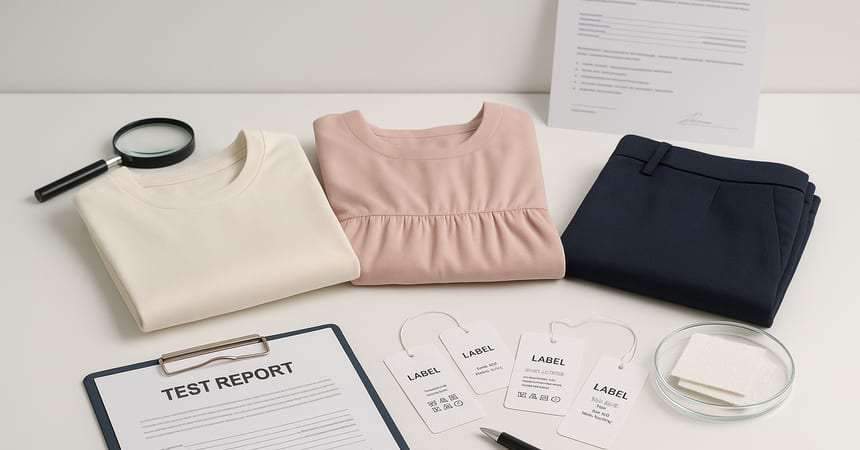
Sample labelling is the other item to settle in advance: the label must be developed in compliance with TR CU 017, and label verification before the visit prevents a finding during it.
After the trip the expert prepared a remedial action plan for the factory and drew up the QMS audit report. The expert checks those recommendations at the next inspection, so the factory has to act on them.
With the QMS report in hand, the selected samples travel for testing, and the certificate is registered on the QMS report plus the test report.
Sources
- TR CU 017/2011, On the safety of light industry products, Eurasian Economic Commission
- ISO 9001, Quality management systems, Requirements
Frequently asked questions
Can the manufacturer's own test reports be used?
No. Under this route, sample testing must be done in an accredited laboratory and the manufacturer's reports are not accepted. That is step 4 of five, and it is the reason samples have to travel whether the audit is remote or on site.
What should be confirmed before an on-site visit?
Two things. That the application is registered with the certification authority, because nothing else can start without it. And that samples of the required composition will be available in the quantities needed. Sample counts differ by regulation and should be agreed before the trip.
Why does ISO 9001 matter to the audit?
The audit is in substance a check of ISO 9001 compliance. Where the factory already has the system in place, the process is much easier and faster, because the workflow is already structured in the way the expert is assessing. Without it, even the questions can be hard to interpret.
Not sure which of these applies to your product? Send it and we will tell you
Related articles
Auditing a Children's Clothing Factory in China
TR CU 007 requires a site audit for children's clothing. What the expert checked in Foshan, in what order, and what the visit was actually assessing.
Clothing Certification in 2025: What Gets Checked
Fabric composition drives which tests apply, the label is the product's passport, and a lab discrepancy means no certificate, plus fines for false labelling.
Preparing Clothing for Laboratory Testing: A Checklist
How many samples, in what state, with what composition data and what labelling, the four preparation areas that decide whether testing passes first time.