Auditing a Children's Clothing Factory in China
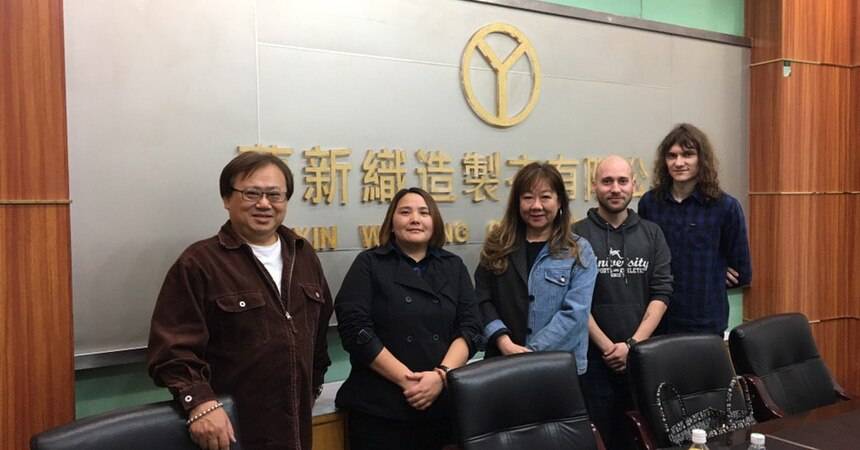
A TR CU 007 certificate for children's clothing always requires a site audit, which means the expert and a company representative travel to where the clothes are made. This visit to Foshan ran in two stages: quality documentation first, then a walk through every workshop.
Why is a site audit required for children’s clothing?
Issuing a TR CU certificate for children’s clothing, TR CU 007/2011, On safety of the products for children and teenagers, always requires a site audit. The expert and a representative of the certification partner travel to the place where the clothes are manufactured.
There is no documentary substitute for this. For children’s products the regulation wants somebody to have seen the factory.
The visit
The journey ran to Guangzhou, arriving on a Sunday with the audit scheduled for Monday. The factory itself was in the neighbouring city of Foshan.
Stage 1: the documents
The first step was checking the factory’s quality documents. A factory must hold everything needed to confirm that products are manufactured in proper conditions, plus:
- A description of the way the products are manufactured
- Test reports showing the products are of high quality
- Statistical information about the factory
Stage 2: the workshops
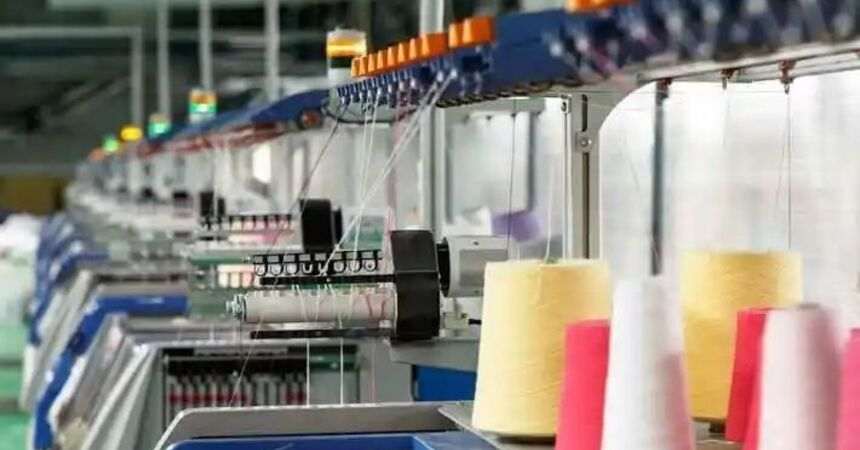
The factory was opened up for a guided tour across the workshops, sewing, ironing, printing and others, to see the manufacturing process and the conditions of the facility itself.
Throughout, the expert asked questions, and the client explained the milestones of manufacture. Photographs were taken.
The conclusion, after visiting every workshop and reviewing the conditions, was that the factory met the requirements for manufacturing and exporting to the Customs Union countries. The remaining documents were completed and the audit closed.
What does the audit assess?
The test reports answer whether the products are good, later and from samples. What the audit establishes is whether this factory can keep making them to the same standard, which is a question about process, documentation and conditions rather than about any individual garment.
That is why the document check comes first and the tour second. The documents state what the factory says it does; the tour is where the expert checks whether that description matches the building.
Sources
- TR CU 007/2011, On the safety of products intended for children and adolescents, Eurasian Economic Commission
- TR CU 017/2011, On the safety of light industry products
Frequently asked questions
What documents does the factory need to show?
Documentation confirming the products are manufactured in proper conditions; a description of how the products are made; test reports demonstrating product quality; and statistical information about the factory. These are checked before anyone walks the floor.
What does the workshop tour cover?
Every stage of manufacture, on this visit, sewing, ironing, printing and others, with the expert asking questions throughout and the client explaining each milestone of the process. Photographs are taken and the conditions of the facility are recorded.
Not sure which of these applies to your product? Send it and we will tell you
Related articles
Certify Before You Contract: A Children's Wear Case
A supply deal signed before certification, dresses for six-year-olds that failed hygroscopicity testing, and why synthetic content is the recurring cause.
On-Site Factory Audit in Turkey for TR CU 017
A one-day audit and sampling visit to an Istanbul t-shirt factory: the five steps, what to confirm before travelling, and why ISO 9001 shortens it.
EAC Marking for Textiles: What the Label Must Say
Which technical regulation applies to your textiles, the mandatory label fields under TR CU 017/2011 and 007/2011, and the extras by product type.