TR EAEU 037/2016: Which Products RoHS Reaches

TR EAEU 037/2016 is the EAEU's close analogue of the European RoHS Directive. It has applied since 1 March 2020, limits the same six substances, and reaches thirteen device categories, several of which, such as vending machines, cash registers and sports equipment, are not what people picture as "electronics".
What does TR EAEU 037/2016 restrict?
Since 1 March 2020, manufacturers have had to prove their products comply with TR EAEU 037/2016, On the restriction of the use of hazardous substances in electrotechnical and radio-electronic products, a close analogue of the European RoHS Directive.
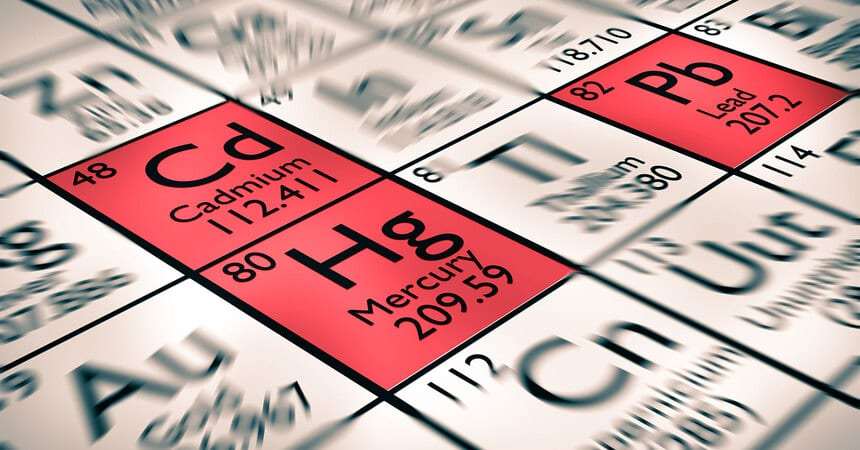
Six substances are limited:
- Lead
- Cadmium
- Mercury
- Hexavalent chromium
- Polybrominated biphenyl
- Polybrominated diphenyl ether
Which devices does TR EAEU 037/2016 apply to?
| Category |
|---|
| Lighting and office equipment |
| Fire and security detectors |
| Electronic musical instruments |
| Power tools |
| Gambling and vending machines |
| Household appliances |
| IT devices |
| Cable products |
| Products manufactured and imported in significant quantities |
| Cash registers |
| Protection cutouts |
| Sport and leisure equipment |
| Telecommunications systems |
Several of these are not what people picture when they hear “electronics regulation”. Vending machines, cash registers, cable products and sports and leisure equipment all carry the obligation, and their manufacturers are the ones most often surprised by it.
“Products manufactured and imported in significant quantities” is the broadest entry on the list. Check your product against it even when its own category is not named.
Scope is only half the question. For the document that proves compliance and what each route costs in time, see EAEU RoHS: TR CU 037 schemes and lead times.
Why it exists
Two stated aims:
- To protect consumers, the environment, and human life and health
- To prevent activity that misleads consumers and users of electrical and electronic equipment about the content of hazardous substances
The second aim explains why the regulation is not only a substance limit. Enforcement rests on declared, documented content, so the declaration and marking obligations do as much work as the limits themselves.
Sources
- TR EAEU 037/2016, On restriction of the use of hazardous substances in electrical and electronic products, Eurasian Economic Commission
- Directive 2011/65/EU (RoHS 2), European Union, for comparison of scope and substance limits
Frequently asked questions
Is TR EAEU 037 the same as European RoHS?
Almost. It limits the same six substances, lead, cadmium, mercury, hexavalent chromium, polybrominated biphenyl and polybrominated diphenyl ether, in electrotechnical and radio-electronic products. The close alignment is what makes existing European test reports useful when declaring under it.
Which product categories are covered?
Thirteen, including lighting and office equipment, fire and security detectors, electronic musical instruments, power tools, gambling and vending machines, household appliances, IT devices, cable products, cash registers, protection cutouts, sports and leisure equipment, and telecommunications systems.
What is the regulation for?
Protecting human life and health and the environment, and preventing consumers and users of electrical and electronic equipment from being misled about the content of hazardous substances. The second aim is why the marking and declaration obligations matter as much as the substance limits.
Not sure which of these applies to your product? Send it and we will tell you
Related articles
EAC Approval for Power Adapters and Chargers
One certificate covers TR CU 004 and 020; RoHS goes on a separate declaration. The four steps, the annual inspection, and why RoHS testing takes a month.
EAEU RoHS: TR CU 037 Schemes and Lead Times
Six restricted substances, a declaration rather than a certificate, and three routes under scheme 1d that turn on which test reports you already hold.
TR EAEU 048/2019: The Energy Efficiency Regulation
The fourth electrical technical regulation of the EAEU. Which products declare, which certify, and why the 24-month transition period is not a holiday.