Food Safety Certification for the Customs Union
Food products in the union carry one of two mandatory documents: a Declaration of Conformity, or a State Registration Certificate where the product is on the specialised list. The product sets which one applies.
Which document does food need in the Customs Union?
Food products circulating in the union must carry one of two:
- A Declaration of Conformity (EAC)
- A State Registration Certificate (SGR), where the product appears on the list of specialised food products.
Products that are declared
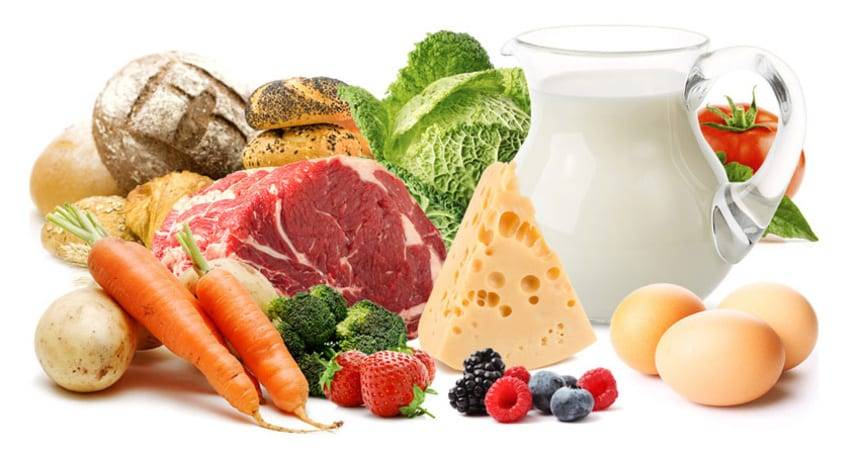
Milk and fermented milk products; meat and meat products; fish; eggs; vegetable and animal fats; pasta; flour, grains and bran; bread and bakery products; fresh vegetables and fruit, including berries and nuts, and products made from them; sugar; dried fruits; honey and apiculture products; confectionery; spices and seasonings; mineral water and soft drinks, among others.
Products that need state registration
Specialised food products, meaning:
- Baby foods, including drinking water for infants
- Food products for medical and prophylactic dietary nutrition
- Natural mineral water, medicinal table water and medicinal mineral water with mineralisation above 1 mg/dm³, or lower mineralisation, where biologically active substances are present at not less than balneological levels
- Food products for athletes, and for pregnant and lactating women
- Dietary supplements (BAA)
The technical regulations
| Regulation | Subject |
|---|---|
| TR CU 021/2011 | On food safety, the main regulation |
| TR CU 022/2011 | Food products in terms of labelling |
| TR CU 023/2011 | Fruit and vegetable juice products |
| TR CU 024/2011 | Fat and oil products |
| TR CU 029/2012 | Food supplements, flavourings and processing aids |
| TR CU 033/2013 | Milk and dairy products |
| TR CU 034/2013 | Meat and meat products |
| TR EAEU 040/2016 | Fish and fish products |
| TR EAEU 044/2017 | Packaged drinking water, including natural mineral water |
TR EAEU 047/2018 on the safety of alcoholic beverages joined them from 1 January 2021.
Most food products fall under more than one of these: TR CU 021 and TR CU 022 apply broadly, and the product-specific regulation adds to them.
What must the label carry?
- The EAC mark, the market circulation mark of the Eurasian Economic Union
- The name, including the trademark
- The name and address of the manufacturer
- The ingredients
- The nutritional value
- The expiration date and storage conditions
Imported food must also carry information about the importer. The rules are in TR CU 022/2011.
How does declaring work?
- Submit an application listing the products, so the cost can be determined.
- Provide samples for laboratory testing, plus copies of the applicant company’s documents.
- The samples are tested through the determined cycle, and the testing centre issues a report, positive if the sample complies.
- An electronic Declaration of Conformity is registered and automatically recorded in the register.
- The applicant receives the original testing protocol, and the originals of the contract and the job completion certificate.
- The documentation is sent electronically.
Validity
The period depends on three things: the technical regulation, the declaration procedure, and whether the declaration is for serial production or for a batch or lot. Three to five years is the usual range.
Sources
- TR CU 021/2011, On food safety, Eurasian Economic Commission
- TR CU 022/2011, Food products in terms of their labelling
- TR CU 023/2011, 024/2011, 029/2012, 033/2013, 034/2013; TR EAEU 040/2016, 044/2017, 047/2018
- Competent national authorities, state registration of specialised food products
Frequently asked questions
Which foods need a State Registration Certificate rather than a declaration?
Specialised food products: baby foods including drinking water for infants; foods for medical and prophylactic dietary nutrition; natural mineral, medicinal table and medicinal mineral waters above 1 mg/dm³ mineralisation or with biologically active substances at balneological levels; foods for athletes and for pregnant and lactating women; and dietary supplements.
How long is a food declaration valid?
Between three and five years on average. The exact period is set by the technical regulation, the declaration procedure used, and whether the declaration covers serial production or a single batch or lot.
Not sure which of these applies to your product? Send it and we will tell you
Related articles
TR CU 007: Approvals for Children's and Teens' Goods
Three approval forms, three clothing layers and an age threshold that moves the answer. Which products certify, which declare, and what falls outside.
The State Registration Certificate (SRC) Explained
Which products need an SRC under three technical regulations plus the extra national list, who can apply, and why some categories take months rather than weeks.
The EAEU Cosmetics Approval System: Webinar Notes
The ten-part agenda of a WWBridge webinar on entering the EAEU cosmetics market, approval forms, ingredient lists, and the safety indicators assessed.